

Your garden in bloom
09/12/2025
An ecological garden is more than just a collection of wild plants. Ideally, it is an oasis where flowers take turns blooming from early spring to late autumn. That continuous flowering attracts a wealth of insects and brings your garden to life.
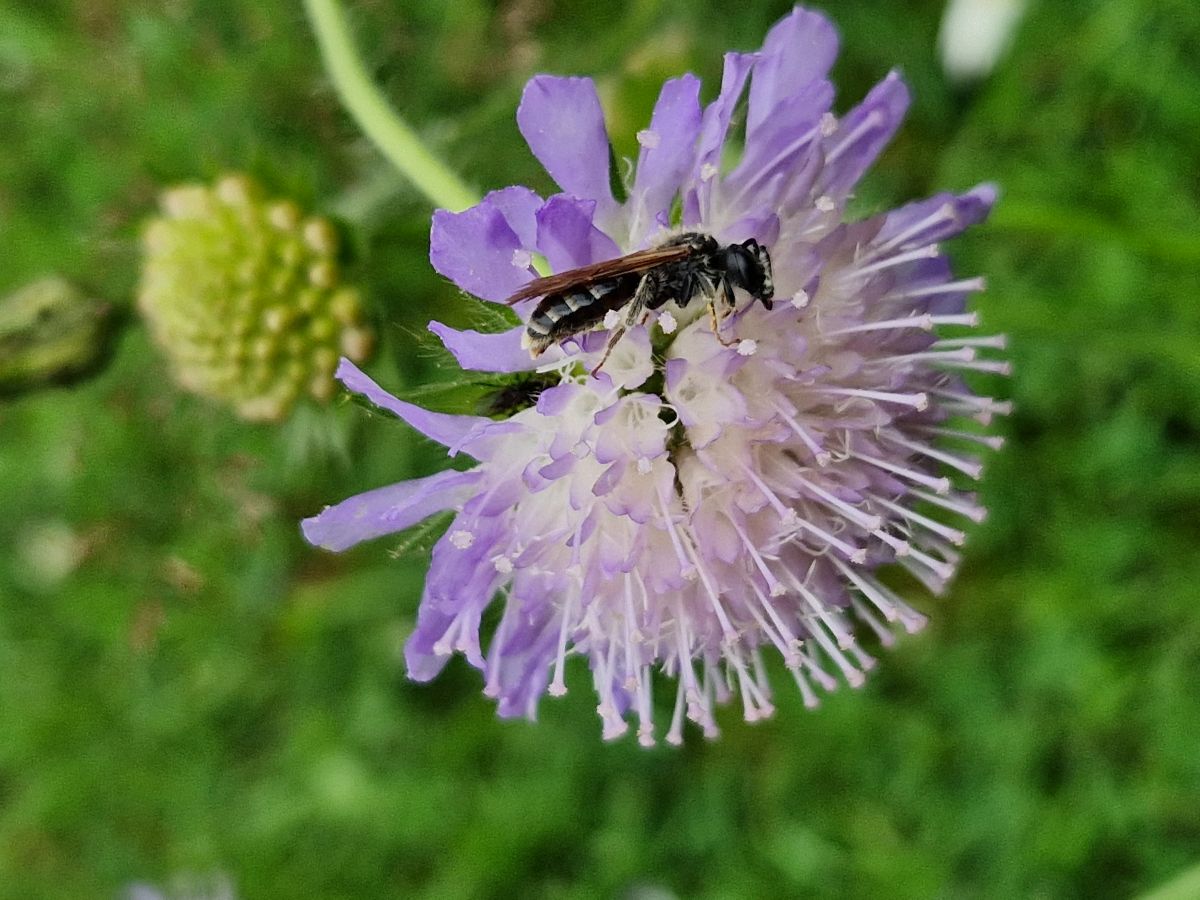
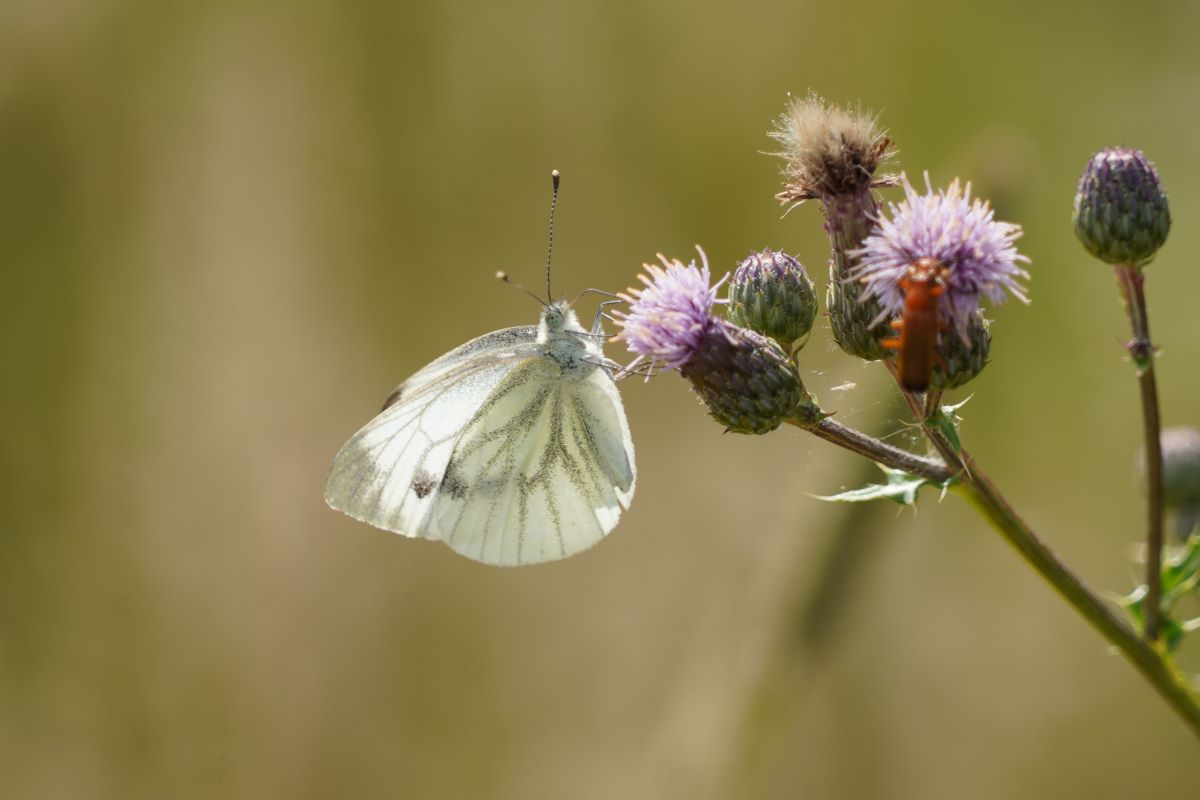
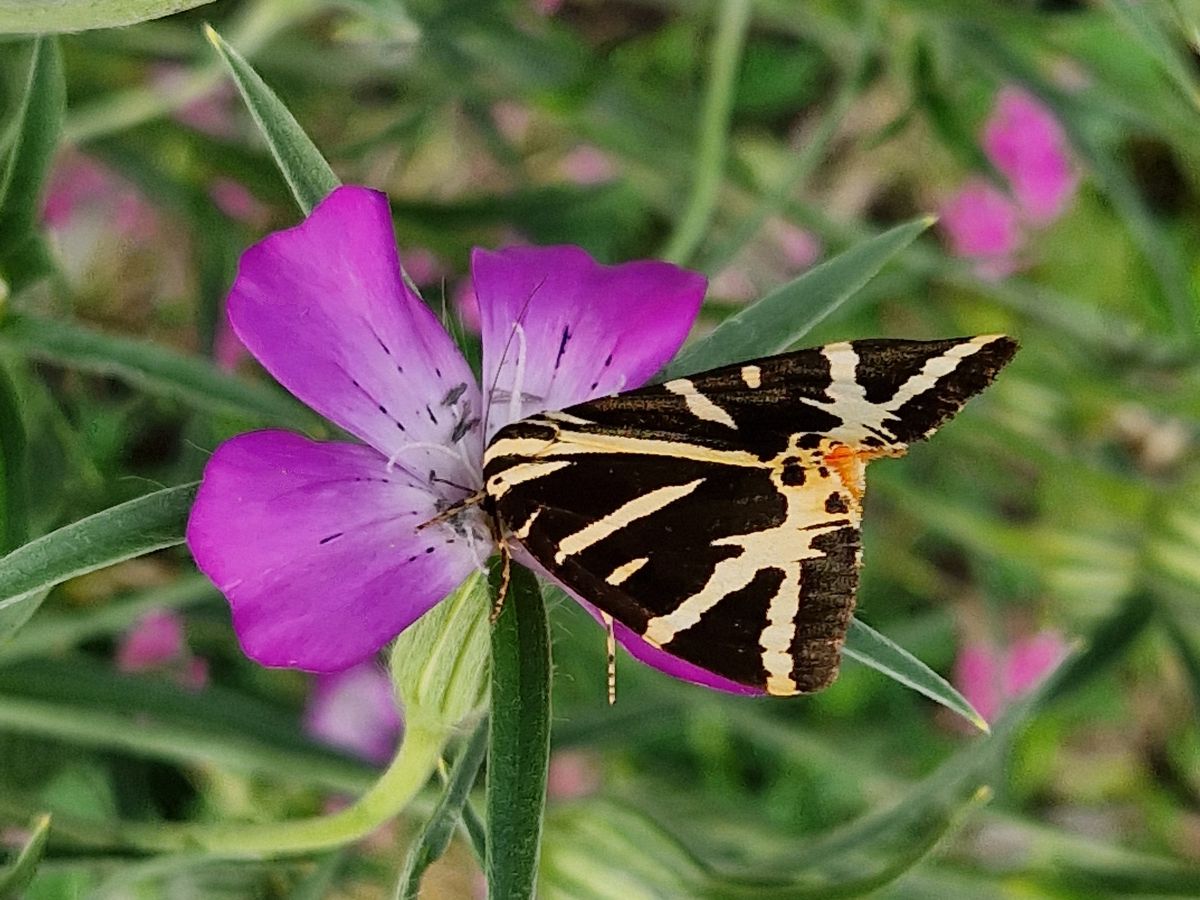
Creating a flowering calendar means designing your garden so that flowers bloom non-stop from March to October. This not only makes your garden visually appealing, but also offers enormous added value as a source of nectar and pollen for bees, bumblebees, butterflies and hoverflies. The greatest about it is the dynamics: the rhythm of the seasons, the alternation of colour waves and the more intense experiencing your garden.
Gaining insight into the flowering calendar of your garden is simpler than you think. Twice a month take a slow walk through your garden and note down all the species that are blooming at that time. This could be a single flower or a whole flowerbed full. You count wildflowers in the grass or a rougher patch, ornamental flowers in borders or pots, flowering aromatic herbs and vegetables in the vegetable garden and flowering shrubs and trees. The latter are often overlooked because of their discreet flowers. Do this over a full year. This will give you a clear picture of the diversity of blooms and in which period you can still add species. We documented our flowering calendar in 2023 and repeated it in 2025. In our list of 249 flowering plants, 63% are native wild plants, 20% ornamental plants, some inherited from the previous owner, 12% of vegetables and aromatic herbs and another 3% fruit trees and berry shrubs.

As in most gardens, our flowering peak is in May, June, July, and August, when we count over 100 species in bloom per month. That may sound like a lot, but it also includes small, discreet species with just a handful of individuals. Our flower meadow provides the largest contribution but so do the vegetable garden, forest edgje and bird groves are also important.
It is wonderful to see that species diversity is clearly higher in 2025 than in 2023 thanks to our ecological interventions in recent years. In winter, flowering is almost non existent as expected, but starting in March-April, you can offer colour and nectar with early bloomers, bulbs and stinsen plants. In autumn, asters, autumn anemones, stonecrop, cut flowers and aromatic herbs create a colourful finale.
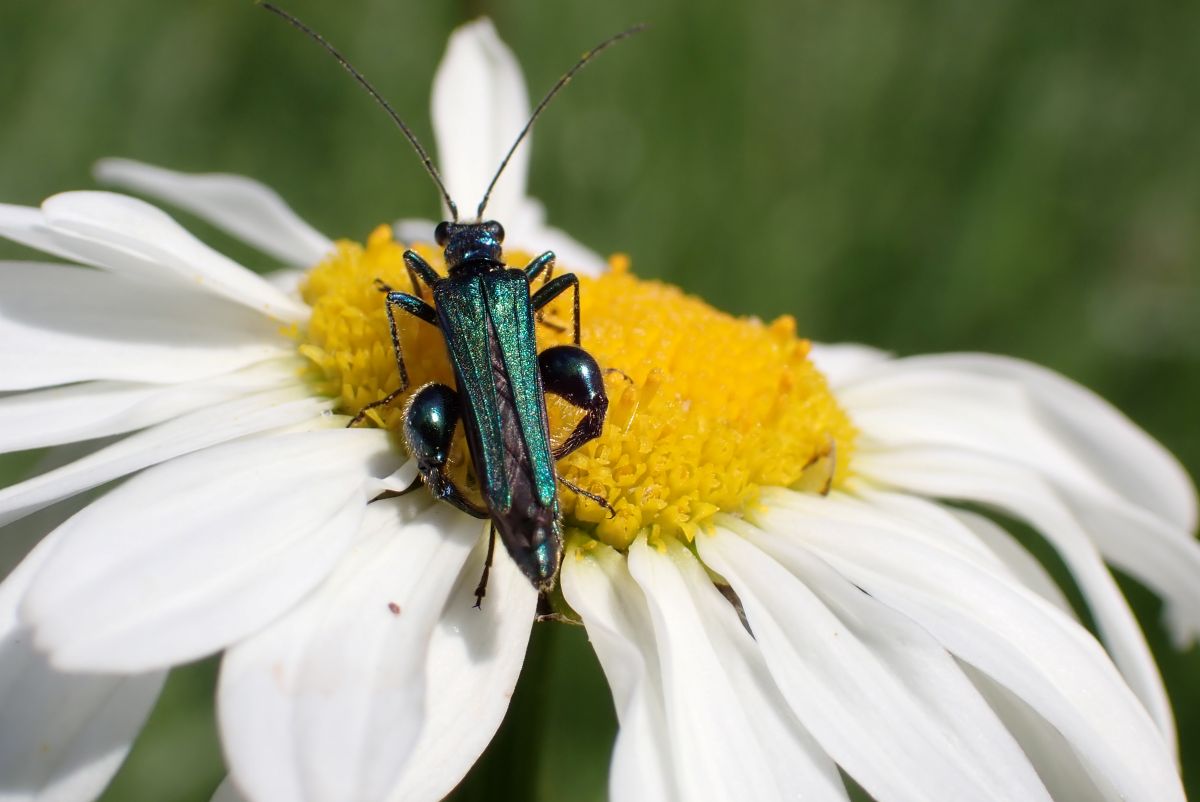
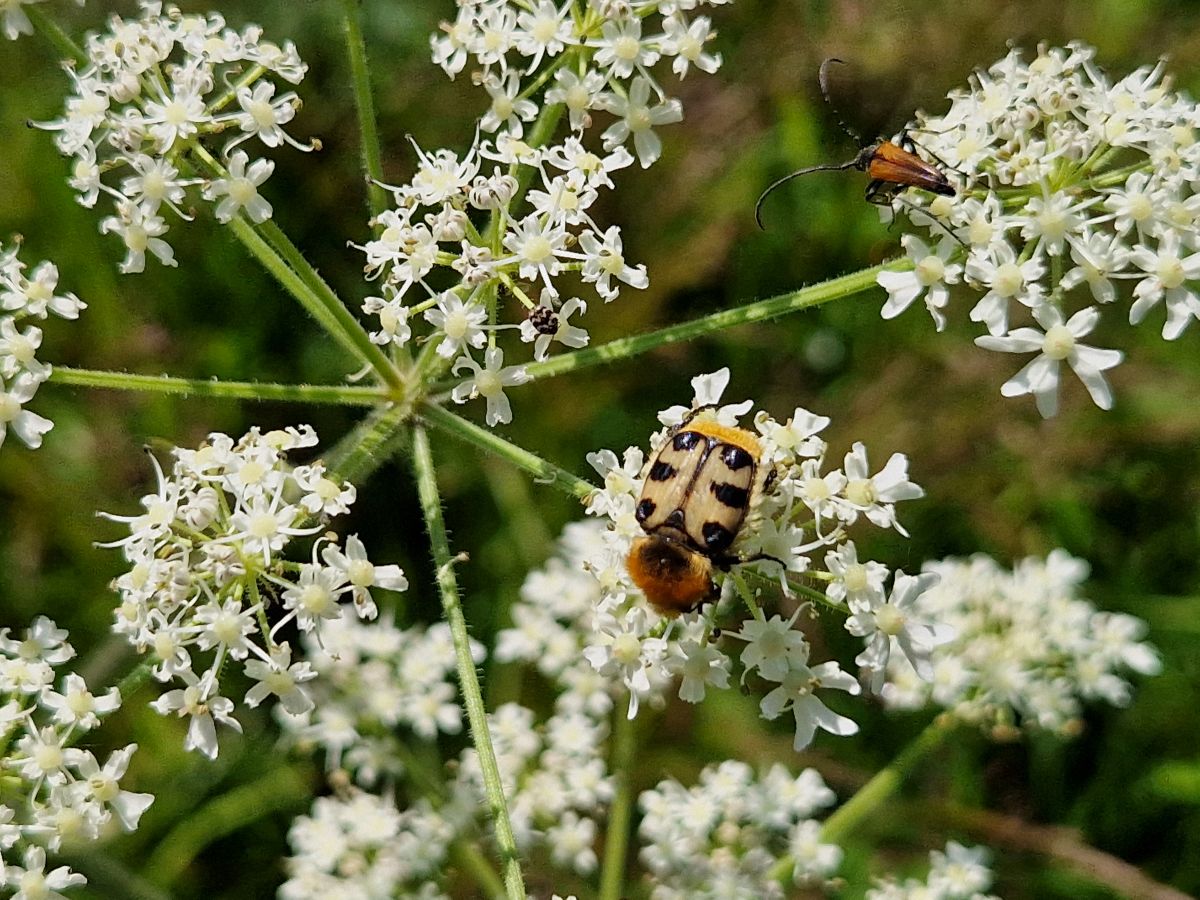
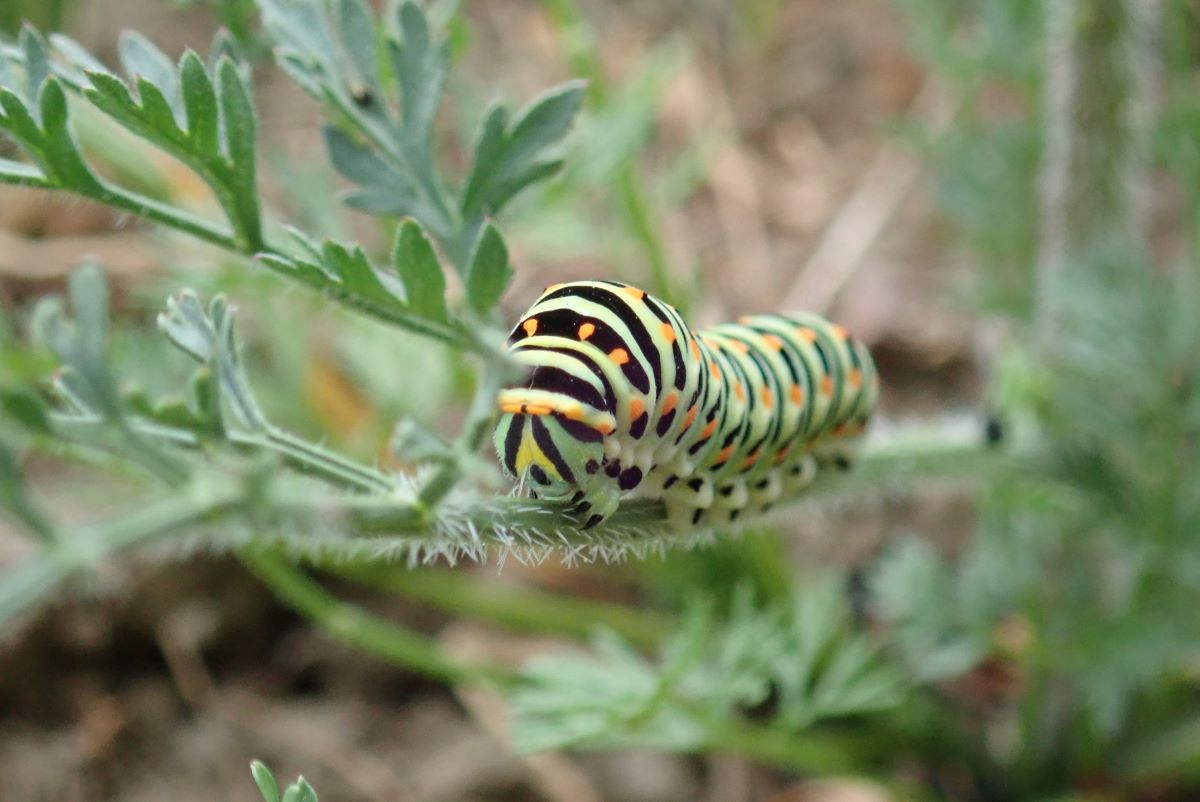
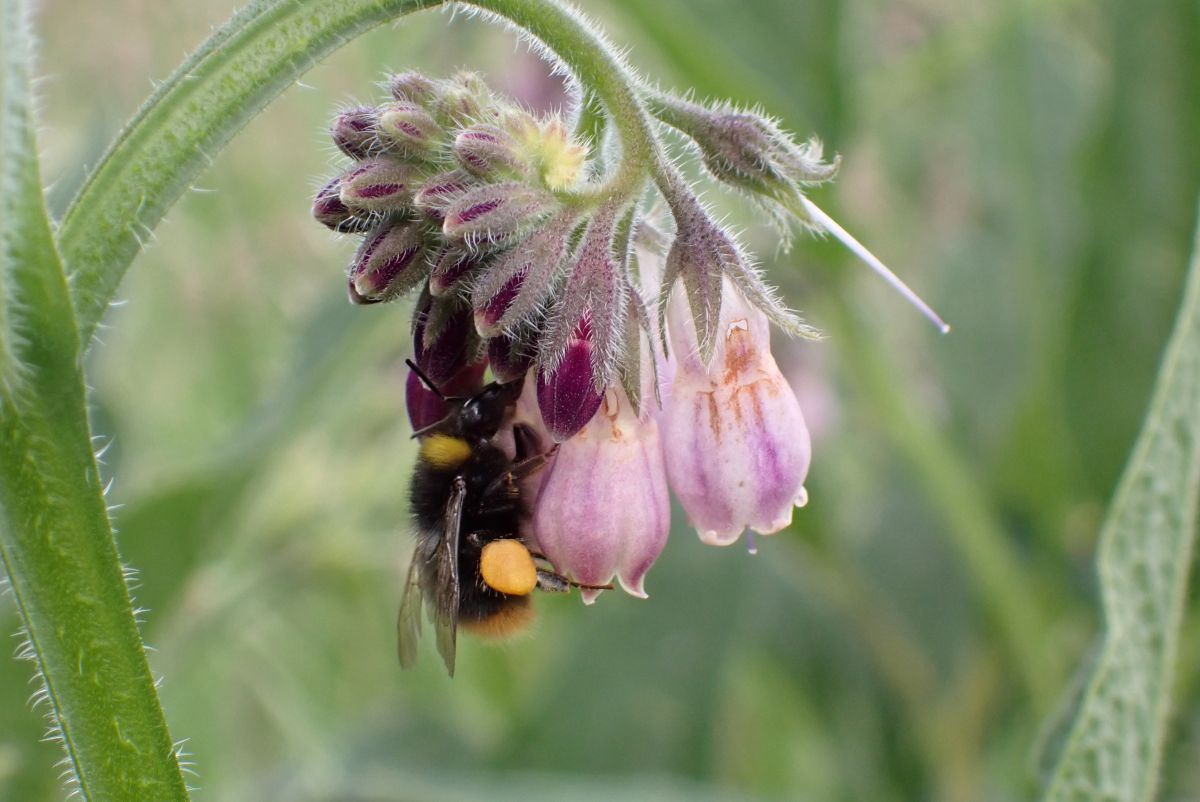
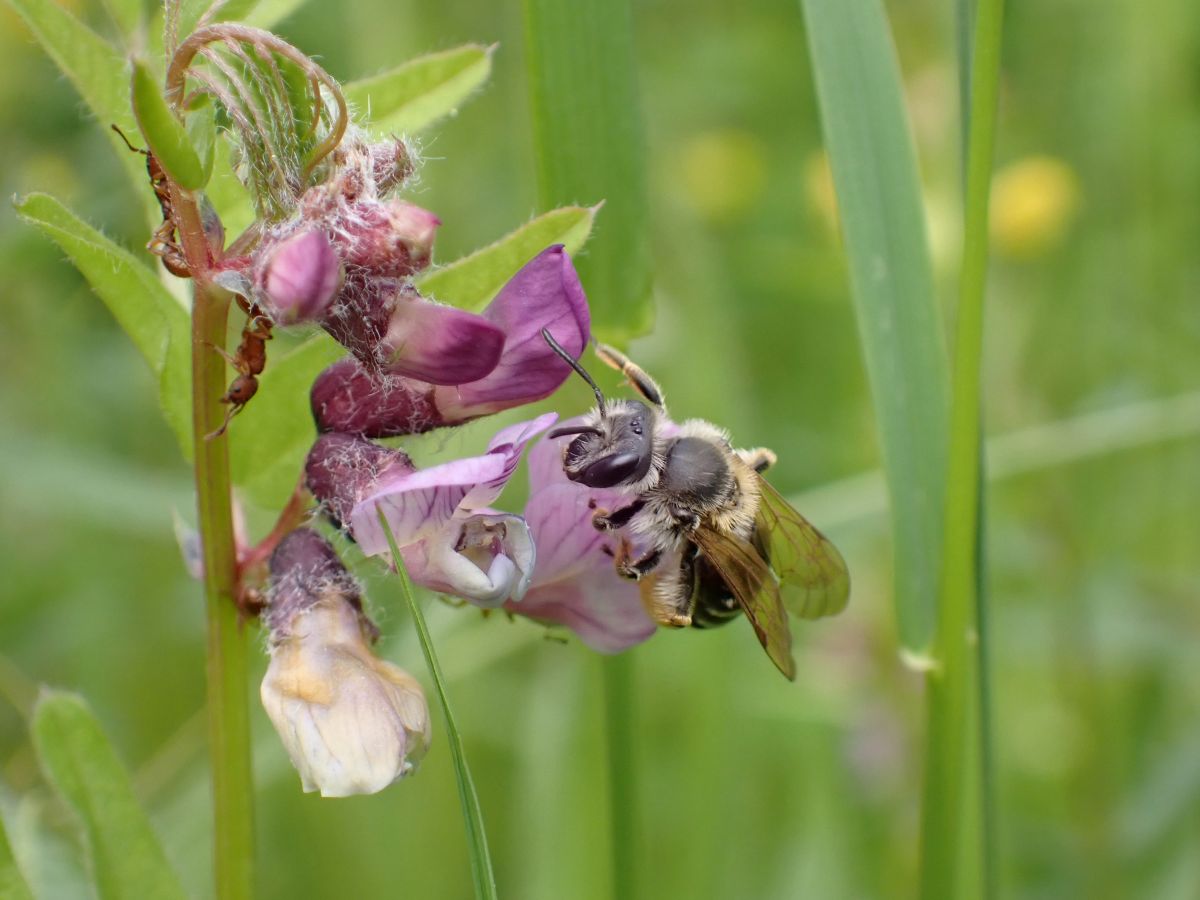
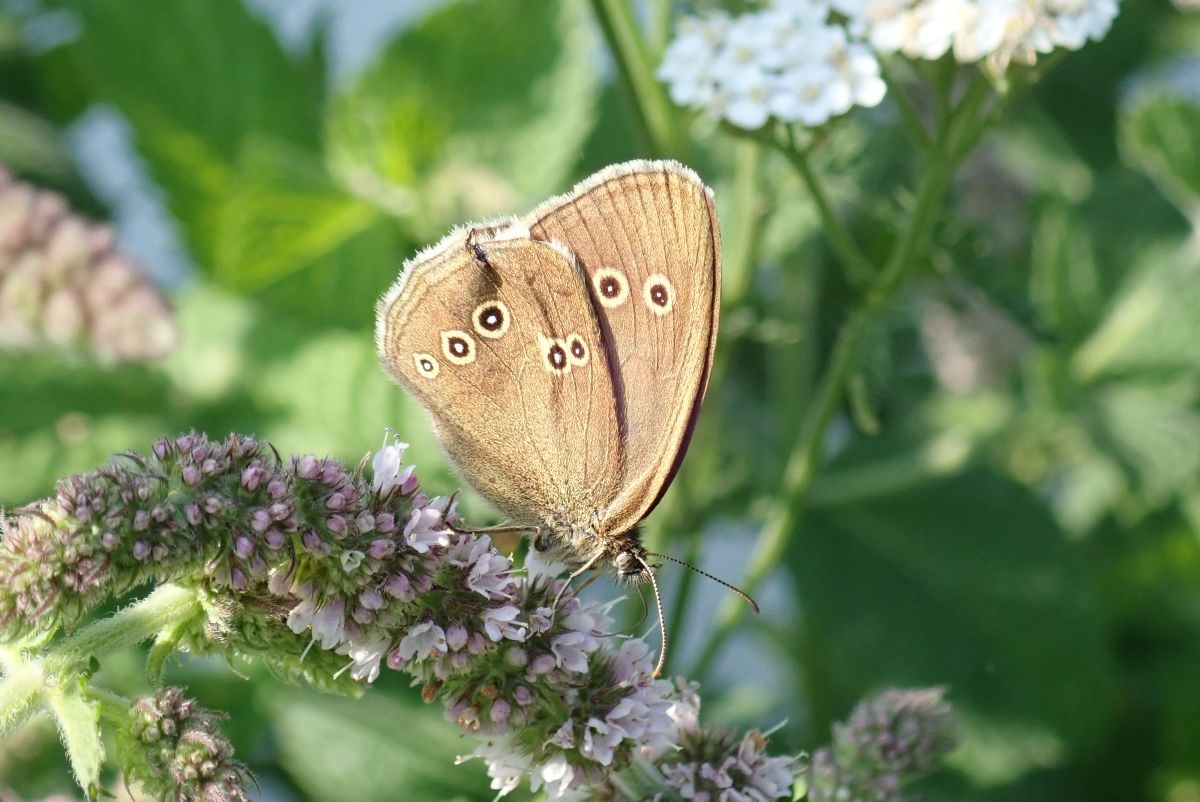
When it comes to plant families , the composite family (Compositae) is the absolute leader in terms of numbers. Think daisies, ox-eye daisies, sunflowers, thistles, cosmos, dandelion and knapweed. This family is crucial for wild bees, bumblebees, butterflies and hoverflies thanks to the easily accessible nectar and pollen and their long flowering period. In second place is the rose family (Rosaceae) with e.g. hawthorn, blackthorn, wild roses, apple, pear, blackberry, raspberry and strawberry. They provide nectar and pollen, serve as host plants for caterpillars, and provide nesting sites for certain bees, beetles and true bugs. Other valuable families are the legumes (Fabaceae) - all clovers, vetches, sweet peas - and lip-flowered (Lamiaceae) - mint, deadnettles, betony, thyme, and heal-all. With their tubular flowers, they are more likely to attract insects with longer tongues, such as bumblebees and certain wild bees. Clovers are also host plants for blues. The umbellifers (Apiaceae) are one of the most insect-rich plant families. They provide valuable nectar for hoverflies, beetles and parasitic wasps and are host plants for butterflies. So why not plant cow parsley, wild carrot, fennel or dill in your garden. By deliberately combining plants from different families, you offer a broad spectrum of insects exactly what they need. The more variety, the more biodiversity.
For enthusiasts, below you'll find two additional lists: long flowering species and top pollinator plants. You may already know them, or perhaps you'll discover a species you would like to add to your garden.
In short, documenting your flowering calendar is a fun exercise that encourages you to observe more mindfully and get to know your garden better. Interested? Then start your own flowering calendar this January. In a previous blog you will find templates which you can download.
Enjoy - and be sure to let us know what the flowering calendar of your garden looks like !

Comments
- Indrukwekkend ! (Johan)
Add a comment